Moving to Cuba: Things you should know before you immigrate to Cuba



THE BASICS
Learn how to move to Cuba with Eurosender

Havana

UTC- 5

Peso (CUP)

11.000.000

Spanish

+53

112

On the right side
BEFORE MOVING
The cost of moving to Cuba – International removals to Cuba
Our easy to use booking platform, expert advice and reliable shipping services, allow you to organise any sized shipment at the click of a button. We have solutions for any sized shipment – so, moving to Cuba is as stress-free as possible.


Visa regulations for Cuba
If you are thinking of immigrating to Cuba from USA, UK or anywhere else in the world, there are four different types of permit for which you can apply.
- Tourist visa: for anyone who wishes to visit without working in Cuba for up to 90 days.
- Business visa: For anyone wishing to move to Cuba to start a business, or enter the job market, you must apply for a business visa and provide an invitation from a Cuban employer.
- Student visa: For those who wish to live and study in Cuba, you must apply for this visa after confirmed enrolment in a Cuban University.
- Personal visa: For foreigners wishing to move to Cuba to join family, you can apply for this permit.
Send my documents express

Property in Cuba
Havana is one of the most popular cities for expats moving to Cuba, and most foreigners also choose to rent, rather than buy. For a single person looking to rent a 1-bedroom apartment in the centre of Havana, you can expect to pay between $100 – $250 per month. Moving to Cuba with a family, you will need a 3-bedroom apartment which can cost around $200-$500 per month.
Renting an apartment in Cuba is affordable, but next, you should consider the cheapest way to move furniture to Cuba, and how much is shipping from the USA to Cuba? Eurosender’s low-cost solutions for international removals to Cuba will save your average moving costs to Cuba and match you with the best logistics provider available. You can get a quote right now, for any type of shipping.
LIVING IN CUBA
The cost of living in Cuba
If you are moving to Cuba from UK, USA or Europe, you will certainly find the cost of living in Cuba very low. However, it is important to remember that salaries are also low, so depending on what type of employment you have or where you choose to live, you should consider this and look for ways to lower your cost of living in Cuba. One solution can be to take public transport if you choose to live in Havana, as vehicles in Cuba can be very expensive.
Do you need to send documents urgently to Cuba to help secure a place to stay before moving?

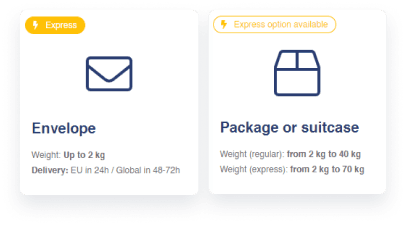
Eurosender offers fast envelope delivery with our Express delivery service.

The job market in Cuba
For those English-speaking expats looking to move to Cuba from the USA, UK or Australia, you might find the job market in Cuba is limited if you don’t speak Spanish. If you do speak basic Spanish, job opportunities for foreigners can be found in agriculture, tourism, medical and engineering.

Education in Cuba
Public education in Cuba is free and provided by the state, and school is compulsory until 16. Students in Cuba are also obliged to wear a school uniform, even in public schools. If you are moving to Cuba with children, English-speaking international schools can be found in Havana. For those moving to Cuba who speaks Spanish, the school system includes:
Age: 6-11
Compulsory: yes
Age: 12-16
Compulsory: yes
Age: 16-18
Compulsory: no

Healthcare in Cuba
The quality of healthcare in Cuba is extremely good, compared to its Central American neighbours, and the public healthcare system in Cuba is free for all citizens and legal residents. Before you receive your residency permit, you should make sure you have private health insurance to cover you until you are covered by the public system.

Driving in Cuba
Driving in Cuba, you will soon notice the number of vintage cars on the road, and the choice of vehicles is very limited. It is important to make sure you follow local road rules, obtain an international driving permit, vehicle registration and carry your passport with you while driving in Cuba.
Send urgent documents
What else to expect when living in Cuba
- Cuba suffers from a limited supply of foods and everyday goods can be much more expensive. If you are planning to relocate to Cuba, you should certainly factor this into your costs of living.
- Living in Cuba, you will enjoy the warmth of the people, as well as the bright and vibrant lifestyle.
- The quality of education and healthcare are excellent; however, Cuba is not a very technologically advanced nation.

MOVING DESTINATIONS
See the most popular destinations people move from
Moving to Cuba from Canada
Moving to Cuba from Canada, you’re probably wondering how you can save on your average costs of moving house to Cuba. Eurosender’s reliable and low-cost solutions will match you with the cheapest way to move furniture and belongings to Cuba, or shipping for any sized move or urgency. You can be sure you are saving on the average cost of moving house to Cuba right now. Simply tell us the dimensions of your shipment and pick-up and delivery locations.
Moving to Cuba from the USA
For those wishing to relocate to Cuba from the USA, look no further. Eurosender’s low-cost international removals to Cuba make it easy to move your belongings with solutions to suit any sized shipment. Our easy booking platform will give you an instant price for shipping to Cuba and our Express Document shipping is perfect for organising your documents to relocate from the USA to Cuba faster.
Moving to Cuba from Europe
Crossing oceans to move your belongings is one huge factor you will need to consider when moving to Cuba from Europe, but with Eurosender’s solutions for international removals to Cuba, low-cost standard shipping or freight options are just a few ways we can take some of the stress out of moving to Cuba. You can get an instant price estimate right now, or contact our team of experts who can tailor a solution to suit any shipping need.